
In the traditional world of corporate structure, there is a long-standing myth that the "brain" of the organization resides exclusively on the top floor. We envision the C-suite as a high-altitude sanctuary where visionaries stare at maps, move chess pieces, and dictate the future, while the rest of the organization: the "hands": simply executes the orders.
I’ve spent enough time in the trenches of the hospitality and investment world to tell you that this model is not only outdated; it is dangerous. In an industry as dynamic and human-centric as ours, if the only people thinking strategically are the ones with "Chief" in their title, you aren't just missing opportunities: you are inviting obsolescence.
Real, sustainable growth occurs when strategic thinking is democratized. It happens when the "brain" moves beyond the C-suite and permeates every level of the organization, from the general manager at a construction project to the sous-chef in a food project.
The Ivory Tower Trap
The "Ivory Tower" is a comfortable place to be, but it has a very low ceiling for growth. When strategy is siloed at the top, two things happen. First, the leadership becomes disconnected from the reality of the guest experience. Second, the frontline team becomes robotic, losing the agency required to innovate in the moment.
Strategic thinking is often mischaracterized as a complex, academic exercise involving spreadsheets and five-year forecasts. While those have their place, true strategic thinking is simpler and more profound: it is the ability to see the "big picture" and understand how today’s small decisions impact tomorrow’s long-term goals.
At Schultz Hospitality, we often talk about the "old soul" wisdom of the industry. It’s the understanding that a business is a living, breathing ecosystem. If you want that ecosystem to thrive, you can’t just have a smart head; you need every cell to be "intelligent."
Enlightened Hospitality as a Strategic Framework
To move the brain beyond the executive wing, we must embrace the philosophy of Enlightened Hospitality. This isn't just a feel-good HR initiative; it is a rigorous strategic framework.
Enlightened Hospitality dictates that your primary stakeholders are your employees. By investing in their growth, knowledge, and strategic capacity, you create a ripple effect. When an employee feels empowered and informed, they treat the guest better. When the guest is treated better, the business thrives. When the business thrives, the investors are happy.
But how do you teach a server or a project coordinator to "think strategically"?
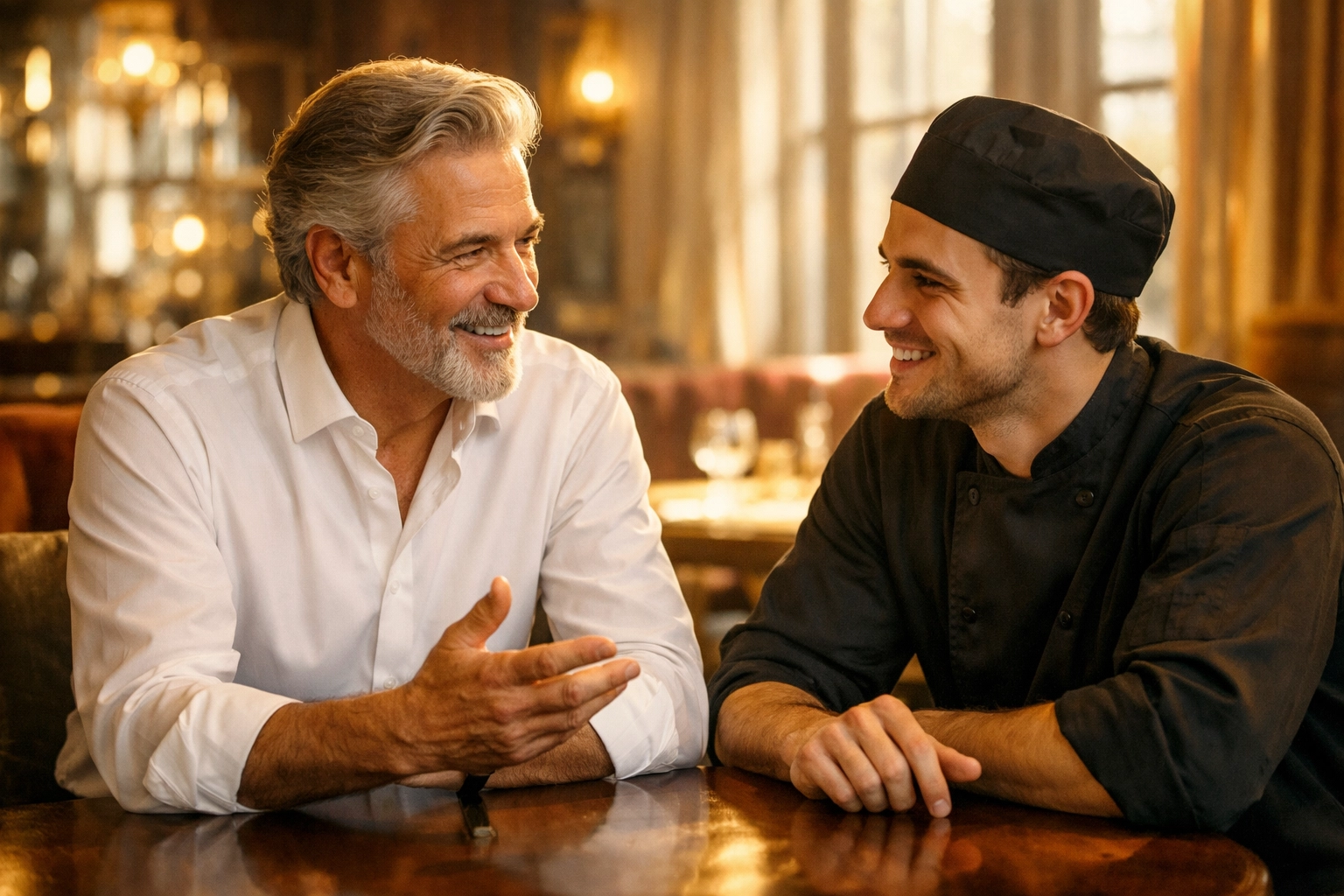
It starts with transparency and context. You cannot expect someone to care about the destination if they haven't seen the map. At Schultz Hospitality, we believe in sharing the "why" behind every "what." When your team understands the market movements and the technological shifts we are navigating, they begin to align their daily actions with our broader objectives.
Systems Thinking: Recognizing the Ripple Effect
One of the most critical components of distributing strategic thinking is fostering Systems Thinking. In a hospitality environment, no department is an island. A delay in a construction project affects the marketing timeline, which affects the hiring schedule, which ultimately affects the opening night guest experience.
By using frameworks like the McKinsey 7s Model, we help our partners at Schultz Hospitality services see how strategy interacts with structure, systems, and shared values. When a mid-level manager begins to ask, "How will my decision here impact the team in that department?" they have officially become a strategic thinker.
This level of awareness prevents the "silo effect" that kills so many promising hospitality ventures. It encourages collaboration over competition and turns every challenge into a collective problem-solving exercise.
Root Cause Analysis vs. The Quick Fix
In the heat of daily operations, the temptation is always to apply a "Band-Aid" fix. A guest is unhappy? Give them a discount. A project is over budget? Cut the quality of the finishes.
Strategic thinking requires the discipline to move past the symptom and find the root cause. This is a skill that must be mentored at every level. Instead of asking "What happened?", we teach our teams to ask "Why did this happen, and what system failed to prevent it?"
This shift from reactive fire-fighting to proactive problem-solving is what separates a good business from a great one. It’s the difference between a brand that survives and a brand that scales. If you are a founder looking to scale, you might find our insights on raising capital or avoiding common founder mistakes helpful in framing this long-term mindset.
The Role of Mentorship and Psychological Safety
You cannot demand strategic thinking; you must cultivate it. This requires a culture of mentorship where senior leaders are not just "bosses" but teachers.
An "old soul" approach to leadership recognizes that our greatest legacy isn't the buildings we build or the restaurants we open; it’s the leaders we leave behind. Mentorship involves bringing emerging leaders into the room where decisions are made. It involves asking for their perspective on industry trends or geopolitical shifts and truly listening to the answer.
However, none of this works without psychological safety. If an employee is afraid to question an assumption or suggest an alternative for fear of being shut down, they will stop thinking. They will go back to being "hands."
Strategic growth requires the courage to be wrong. It requires an environment where "we've always done it this way" is a reason to investigate, not a reason to stop.
Moving Forward Together
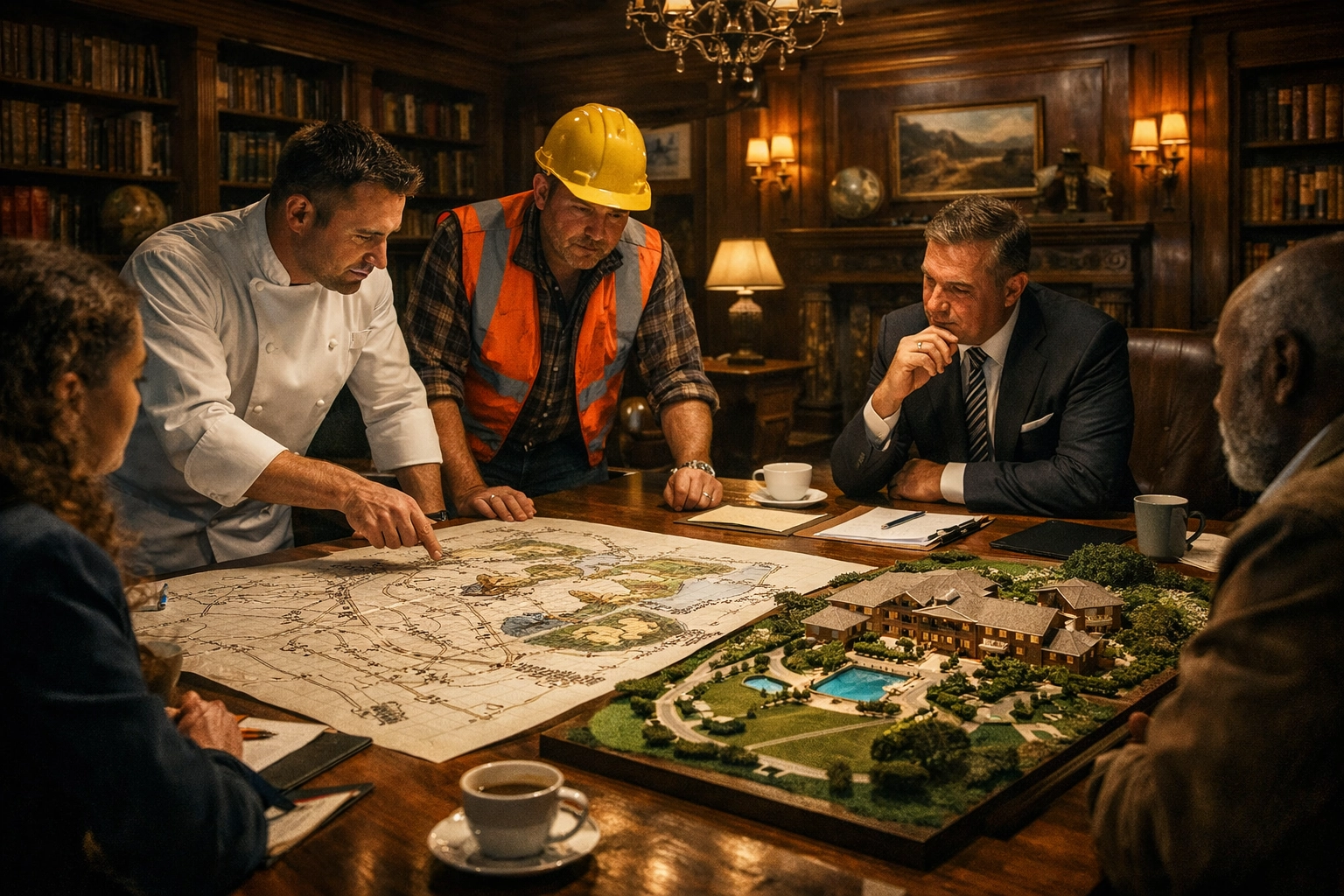
At Schultz Hospitality, our approach to business consulting and investment is rooted in the belief that the next great idea can come from anywhere: provided the culture is designed to catch it.
Whether we are working on a healing project or a high-stakes harb project, our goal is always the same: to build an organization where strategic thinking is the default setting for everyone on the payroll.
Growth isn't something that happens to a company; it is something created by the collective intelligence of the people within it. When you move the "brain" beyond the C-suite, you don't just drive growth: you drive excellence.
If you are looking to elevate your organization’s strategic capacity or exploring a new venture in the hospitality space, I invite you to connect with us. Let's explore how we can apply our proven, enlightened approach to your unique leadership journey.
We look forward to hearing from you and seeing how we can build something extraordinary together.
Michael Schultz
Founder & Executive Chairman, Schultz Hospitality
www.schultzhospitality.com
Schultz Hospitality, Only limited by the scope of the imagination.